Summer is one of the most valuable windows on the calendar for local businesses. Foot traffic climbs, people are in a spending mood, and the long daylight hours create natural opportunities to extend your business day. Yet a surprising number of small business owners drift into the season without a deliberate plan—and leave significant revenue on the table.
If you’re heading into June without a summer strategy, the good news is there’s still time. Here’s how to make the most of the next eight to ten weeks.
Create Limited-Time Offers That Create Urgency
Nothing moves people to act like a deadline. Summer is the perfect backdrop for time-boxed promotions: a “June Refresh” discount, a summer bundle that pairs two complementary products or services, or a loyalty punch card that expires in August. The specific offer matters less than the fact that it’s genuinely limited—customers who know something ends will act faster than those who feel they can always come back.
For service businesses—salons, auto shops, fitness studios, pet groomers—a seasonal package works especially well. Offer three pre-paid sessions at a slight discount and you accomplish two things at once: you capture revenue upfront and you commit the customer to returning, which extends the relationship past the promotion itself.
For retail, think about what fits naturally into the summer context. Hardware stores can bundle grilling and lawn care supplies. Boutiques can curate a “summer capsule” display. Even professional service firms can offer a complimentary summer review session—a quick checkup meeting or consult—that reinforces the relationship without a hard sell.
Tie Into Community Events
Local events—farmer’s markets, outdoor concerts, neighborhood festivals, Fourth of July celebrations—draw exactly the kind of foot traffic you want. Even if you’re not a vendor at the event itself, proximity matters. Post a sign offering a discount to anyone with an event wristband. Partner with neighboring businesses to create an unofficial “festival district” where customers get a perk at multiple stops.
If you have the capacity, sponsoring a local event—even at a modest level that gets your logo on a banner—puts your name in front of families and regulars in a low-pressure context. The return on $200–$500 in community sponsorship can easily outpace a Facebook ad of the same size if your audience is genuinely local.
Community event tie-ins also generate social media content almost automatically. A photo of your team at the neighborhood block party, or a short video of your summer special, is the kind of organic content that performs well and doesn’t require a marketing budget.
Extend Your Hours Strategically
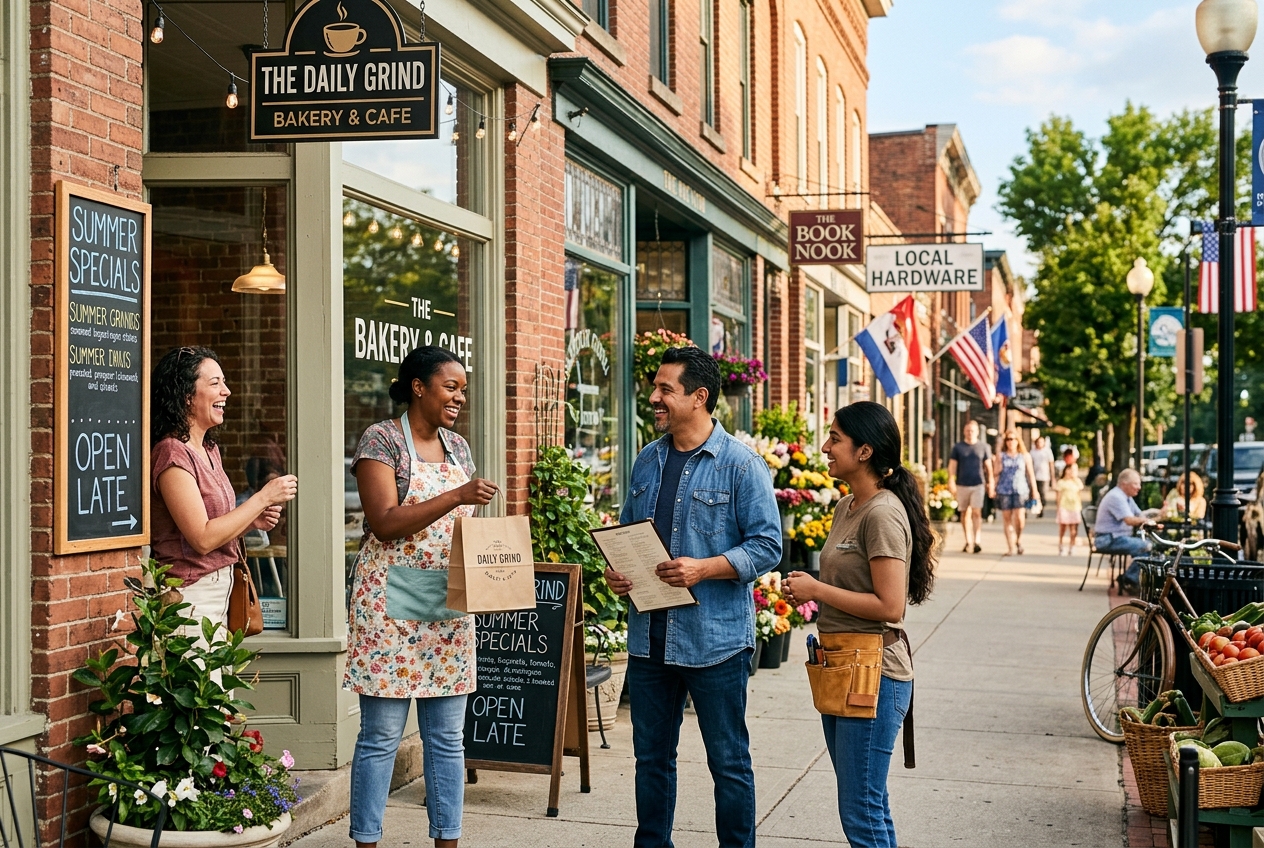
Longer daylight hours mean customers are active later—but staying open until 9 p.m. every night all summer isn’t viable for most small teams. The smarter approach is targeted extension: add two or three evenings per week, or extend Friday and Saturday hours specifically, and communicate the change clearly through your Google Business Profile, social channels, and a sign in your window.
Late-summer evenings are particularly valuable for food, retail, and entertainment businesses. People who spent the day at work are often looking for something to do between 6 and 9 p.m., and the competition from big-box stores drops during those hours. A neighborhood wine shop, ice cream counter, or bookstore that stays open until 8:30 on Fridays becomes a destination.
Track whether extended hours produce net-positive revenue after you account for labor. If Friday evenings are slow and Tuesday evenings pop, adjust accordingly. Summer is long enough to run a short experiment and still course-correct.
Use Slow Mornings for Training and Prep
For most local businesses, weekday summer mornings are the quietest part of the week. Instead of treating that downtime as a liability, use it as a strategic asset.
Slot your staff training for Tuesday and Wednesday mornings in July when foot traffic is lightest. Walk through the customer experience. Practice upselling techniques. Refresh safety procedures. Run through the inventory and identify items that need to be ordered before August. If you use scheduling software like Homebase or Deputy, build out the August schedule in advance so employees can plan their own vacations without last-minute scrambles.
Owners and managers can also use slow mornings for outreach: responding to reviews, updating your Google Business Profile with summer photos, sending a newsletter, or calling a few regulars to let them know about your summer offer. These tasks rarely feel urgent—so they rarely happen—but done consistently over eight weeks they compound into real results.
Don’t Neglect the Back Half of Summer
The instinct is to treat summer as one uniform season, but early June and mid-August are actually very different. Back-to-school shopping starts in late July for many families, and consumer attention shifts toward fall planning well before Labor Day. That shift is a signal, not a problem.
In late July, layer a “transition” campaign on top of your summer push. Start seeding fall products, services, or themes. Offer a “summer’s end” special that creates a natural urgency. If you’re in a college town, plan specifically for the August influx of returning students.
The businesses that win the summer are the ones who think about it in phases—capturing the energy of June and early July, sustaining momentum through the dog days of August, and converting summer customers into fall regulars before the season ends.
The Practical Bottom Line
Summer success doesn’t require a large marketing budget or a complex strategy. It requires three things: a specific offer customers can act on, deliberate use of the community and daylight hours around you, and smart use of your slower hours to prepare rather than coast. Plan your summer by July 1, track what works, and you’ll have a playbook that pays dividends next year too.