The conventional wisdom has long been that big chains have an inherent advantage over independent operators: deeper pockets, national marketing, supply chain leverage, and brand recognition that takes decades to build. The data from 2026 is telling a more complicated story.
Restaurant Business Online’s annual Top 100 Independent Restaurants list added 19 new entrants this year — not despite a tough economic environment, but alongside it. Disposable income is concentrating at the upper end of the income distribution, plant-based dining concepts are contracting (the closure of Clover Food Lab, a cult favorite, is one signal among many), and consumers are more deliberate about discretionary spending than they were two years ago.
And yet, independents are finding their footing.
What the Standout Independents Share
Looking across the businesses that made or stayed on that list, a pattern emerges. These are not the restaurants with the biggest marketing budgets or the flashiest spaces. They share a few structural advantages that chains cannot replicate.
Deep Community Integration
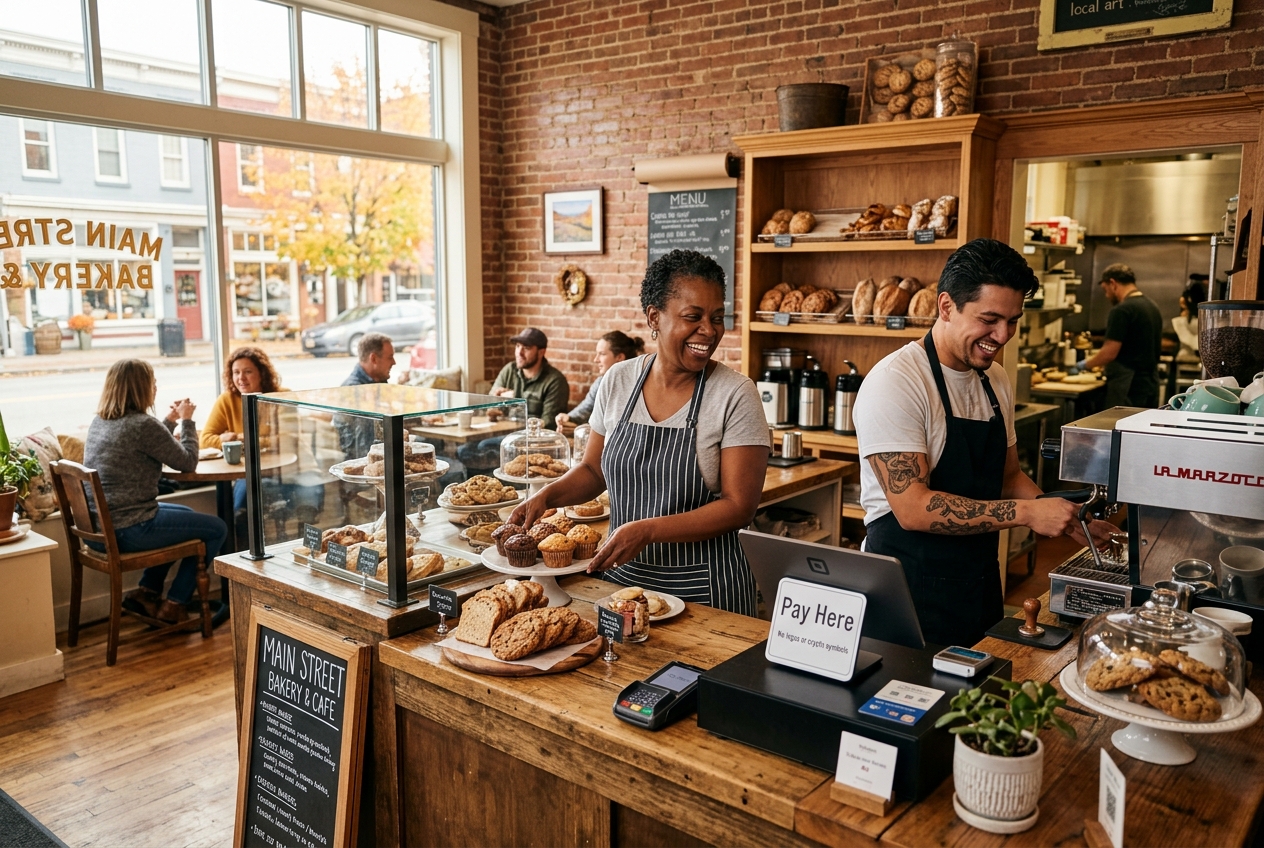
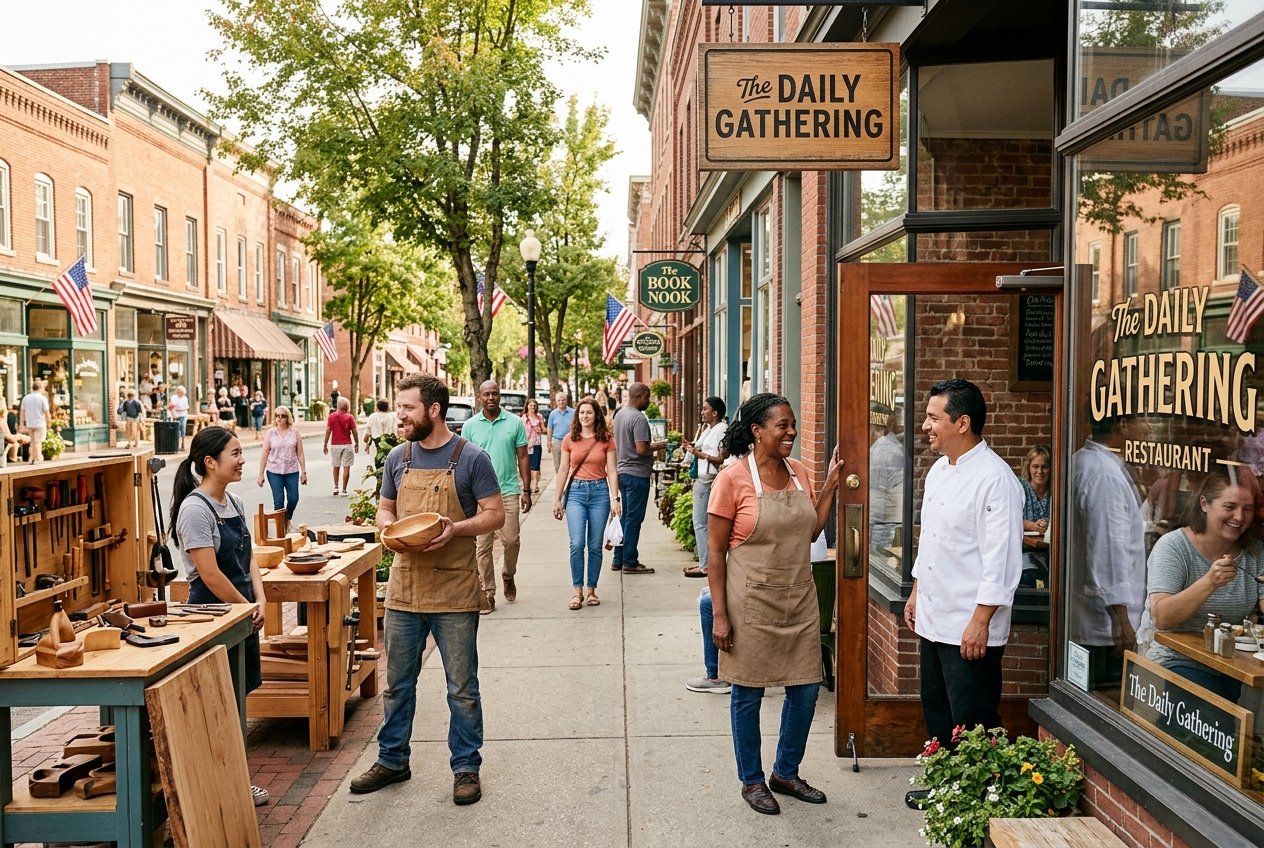
The top independents are not just businesses in their neighborhoods — they are of their neighborhoods. They source from local farms and are explicit about it. They sponsor the youth soccer league. The owner knows regulars by name and remembers what they ordered last time. They show up at community events that have nothing to do with food.
This is not sentiment. It is a durable competitive moat. A national chain cannot manufacture the fact that you have been here for twelve years and your staff grew up in this zip code.
Distinct, Authentic Identity
The restaurants thriving in 2026 have a clear answer to the question: “Why would someone choose us specifically?” It is not “we have good food at a fair price” — that describes everyone. It is something specific: a particular cuisine, a sourcing philosophy, a dining format, a cultural tradition, an owner’s story.
Identity sharpens every decision. Menu changes, price increases, marketing choices all get easier when you know what you stand for and your customers know it too.
Nimble Menus and Operations
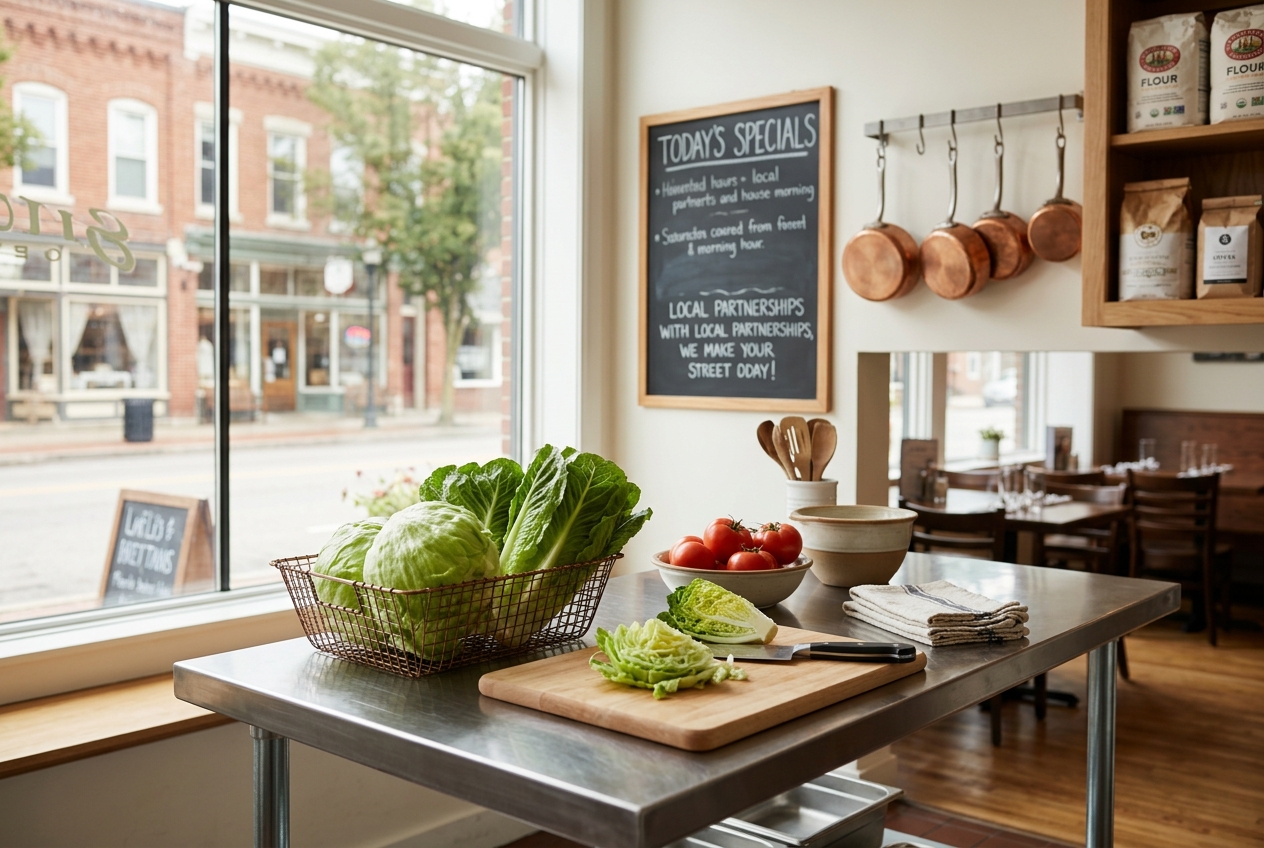
Large chains are aircraft carriers — slow to turn. A menu change at a 400-location chain requires months of testing, supplier negotiations, and training. An independent restaurateur can change the menu for next week based on what looked good at the farmers market on Saturday morning.
This agility matters most when conditions shift quickly — new suppliers, ingredient availability, customer preferences, economic pressures. The independents who are thriving tend to use this flexibility actively rather than treating their menu as a fixed asset.
Loyal Regulars Over Broad Reach
The most sustainable independent restaurant businesses are not trying to capture one-time visitors from across the city. They are deeply embedded with a core of regulars who come back weekly, bring friends, and promote the business organically. The unit economics of a loyal regular — lifetime value, low acquisition cost, social multiplication — are fundamentally different from the economics of a tourist or a deal-seeker.
Chains optimize for reach. Independents win on depth.
The Same Principles Apply to Any Local Business
A restaurant is not a special case. The same structural dynamics apply to a plumbing contractor competing against a national franchise service, a daycare competing against a corporate childcare chain, or a hardware store competing against a big-box retailer.
The community integration advantage: Are you involved in the local school, the chamber, the neighborhood association? Do your customers know you as a neighbor, or just as a service provider? The contractor who coached a customer’s kid’s baseball team gets the call before the franchise gets the Google search.
The identity advantage: What is your specific answer to “why you?” If you cannot answer in one sentence, your customers probably cannot either. “We specialize in older homes with knob-and-tube wiring” is an identity. “We do all plumbing work” is not.
The agility advantage: When a customer has an unusual need, can you say yes when a franchise would say “we don’t have a SKU for that”? Local businesses that stay nimble — in pricing, service offerings, hours, and problem-solving — keep customers that rigid operators lose.
The loyalty advantage: Do you know your best customers by name? Do you have any mechanism for staying in front of them between purchases? Email lists, loyalty programs, or simply remembering to follow up after a job are all things chains systematize imperfectly and independents can do authentically.
The Honest Caveat
None of this is free. Community integration requires time. A distinct identity requires the discipline to say no to things that fall outside it. Agility requires operational flexibility that can strain small teams. Building loyal regulars takes years.
What the 2026 restaurant data suggests is not that being an independent is easy. It is that the advantages of independence are real, durable, and available to any local operator willing to lean into them deliberately. The chains have the advantages they have. These are yours.